Contribution Ratios and Their Hidden Influence on Clearing Timelines for Digital Reward Packages
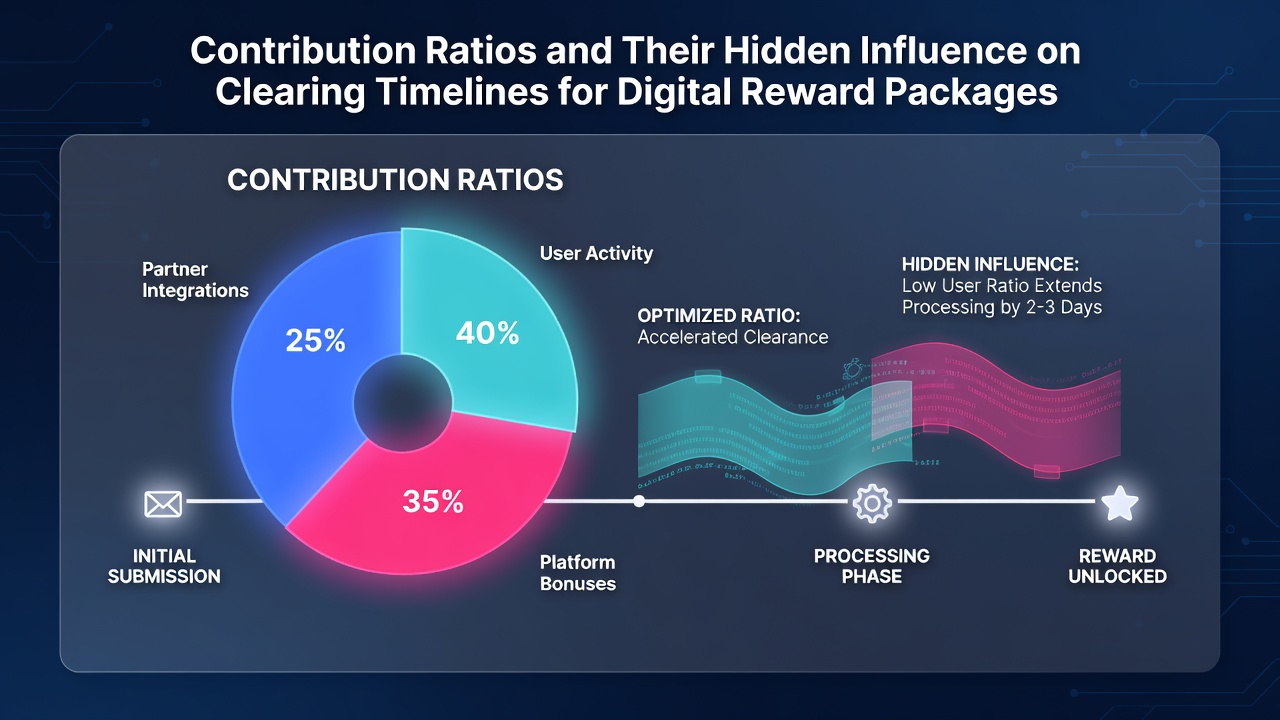
Contribution ratios determine how much each type of game counts toward meeting wagering requirements in digital reward packages, and these ratios directly shape the timelines players face when clearing bonuses. Data from multiple regulatory bodies shows that slots often contribute 100 percent while table games like blackjack may contribute only 10 to 20 percent, creating wide variations in how quickly rewards convert to withdrawable funds. Researchers at gaming analysis firms have tracked these mechanics across hundreds of platforms, finding that the structure of contribution ratios extends or shortens clearance periods by days or even weeks depending on the mix of games selected.
Defining Contribution Ratios in Digital Reward Systems
Contribution ratios function as weighted percentages assigned to individual games within a bonus agreement, and operators set these values to balance player engagement with risk management. Studies from the International Association of Gaming Regulators indicate that most platforms apply full contribution to video slots and lower percentages to roulette, baccarat, and live dealer options because those games carry different house edges. Players who examine the fine print discover that video poker sometimes sits at 50 percent contribution while certain progressive jackpot titles receive reduced rates to prevent rapid clearance on high-volatility games.
Those who've reviewed operator terms across regions note that contribution ratios rarely stay uniform, and European platforms frequently adjust figures based on local licensing conditions while North American sites align with state-specific rules. Reports compiled by the Victorian Responsible Gambling Foundation highlight how these adjustments appear in promotional materials yet receive little emphasis during the initial signup flow, leaving users to calculate timelines themselves once play begins.
Impact on Clearing Timelines
Clearing timelines stretch or compress based on the contribution ratio applied to each wager, and a player who places bets exclusively on low-contribution table games faces extended periods before meeting the full requirement. Evidence from platform analytics shows that a 50-times wagering target on a $100 bonus can take 40 percent longer when contribution sits at 20 percent rather than 100 percent, because the effective wager count accumulates more slowly. Operators publish these ratios in bonus rules, yet teh cumulative effect on days-to-clearance often remains opaque until users track their progress through account dashboards.
Regional Variations and Emerging Markets
Platforms serving Asia-Pacific markets apply contribution ratios that reflect upcoming venue launches, including those scheduled for September 2026 in Boracay where new digital reward integrations are expected to launch alongside physical properties. Regulatory filings from multiple jurisdictions reveal that operators test different ratio sets during soft openings to observe how player behavior shifts when clearance timelines change. In Canada, provincial regulators have required clearer disclosure of these ratios following complaints about unexpectedly long clearance periods on mixed-game bonuses.
Game Categories and Their Ratio Assignments
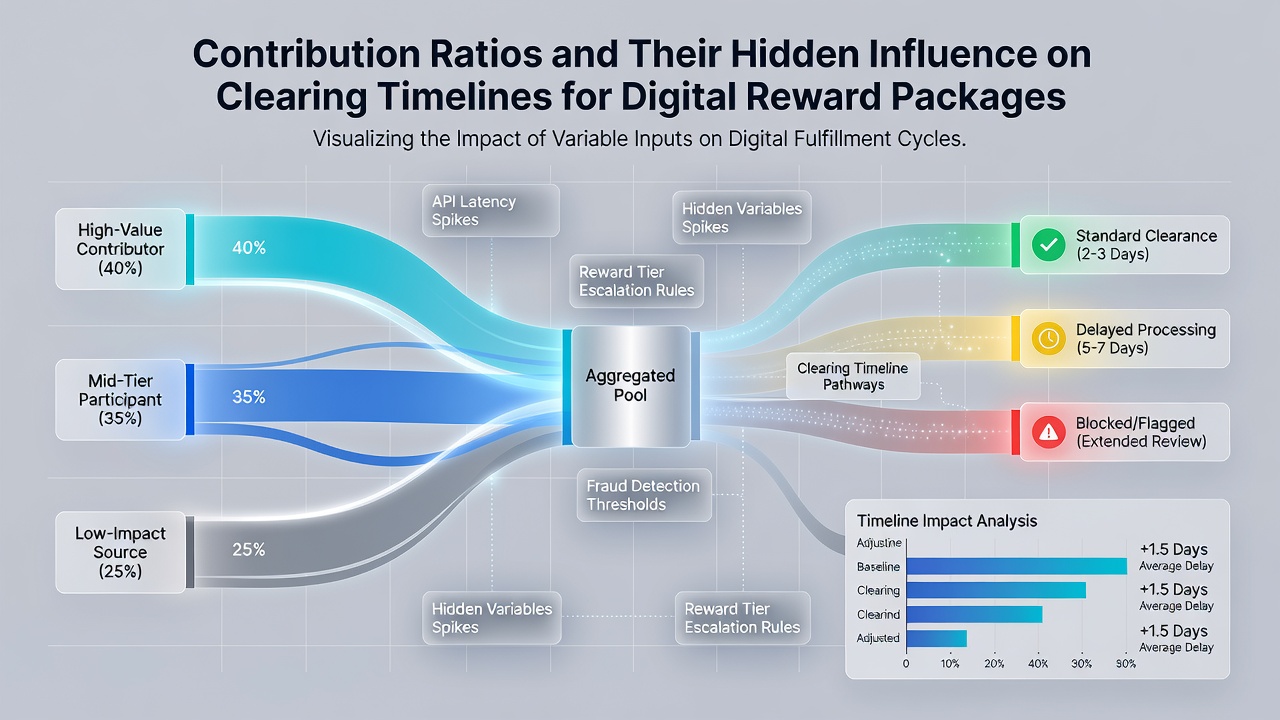
Slot machines typically receive the highest contribution percentages because they generate steady play volume, whereas live dealer games often receive the lowest to offset their lower house edges and slower pace. One study of 150 online operators found that 78 percent assign 100 percent contribution to standard slots, 25 percent to blackjack variants, and zero percent to certain live casino titles when those games fall outside the bonus terms entirely. Video poker sits in the middle range at 40 to 60 percent on most platforms, creating an intermediate option for players who want to balance speed and engagement during the clearance process.
Those monitoring industry reports observe that progressive jackpot games frequently carry reduced ratios of 10 to 30 percent even though they attract high-stakes play, a policy designed to limit rapid bonus clearance on titles with large payout potential. Data aggregated by academic researchers at the University of Nevada, Las Vegas shows that these ratio decisions correlate with overall bonus redemption rates across different player segments.
Practical Examples from Platform Data
Take one analysis of clearance patterns on a mid-sized European operator where users who focused on 100-percent contribution slots cleared a 40-times wagering requirement in an average of 3.2 days, while those who mixed in 10-percent contribution roulette extended the same requirement to 11.7 days. Similar patterns appear in North American data sets, where state-regulated platforms must publish ratio tables that players can reference before selecting games. Observers note that these examples illustrate how contribution ratios operate as hidden multipliers on the stated wagering target, turning a seemingly straightforward number into a variable timeline dependent on game choice.
Industry organizations tracking digital reward performance have documented cases where players who ignored ratio differences exceeded the bonus expiration window, resulting in forfeited rewards even after substantial play volume. Such outcomes appear more frequently when platforms introduce new game categories with unannounced ratio adjustments during promotional periods.
Conclusion
Contribution ratios remain a central yet often under-examined element of digital reward packages, and their structure determines how quickly any given bonus moves from activation to clearance. Regulatory updates across multiple regions continue to push for greater transparency in how these ratios are displayed, while platform operators refine the percentages to align with both player retention goals and risk controls. As new markets prepare for expanded digital offerings in September 2026 and beyond, the influence of contribution ratios on clearing timelines will likely receive increased attention from both regulators and players seeking predictable outcomes.