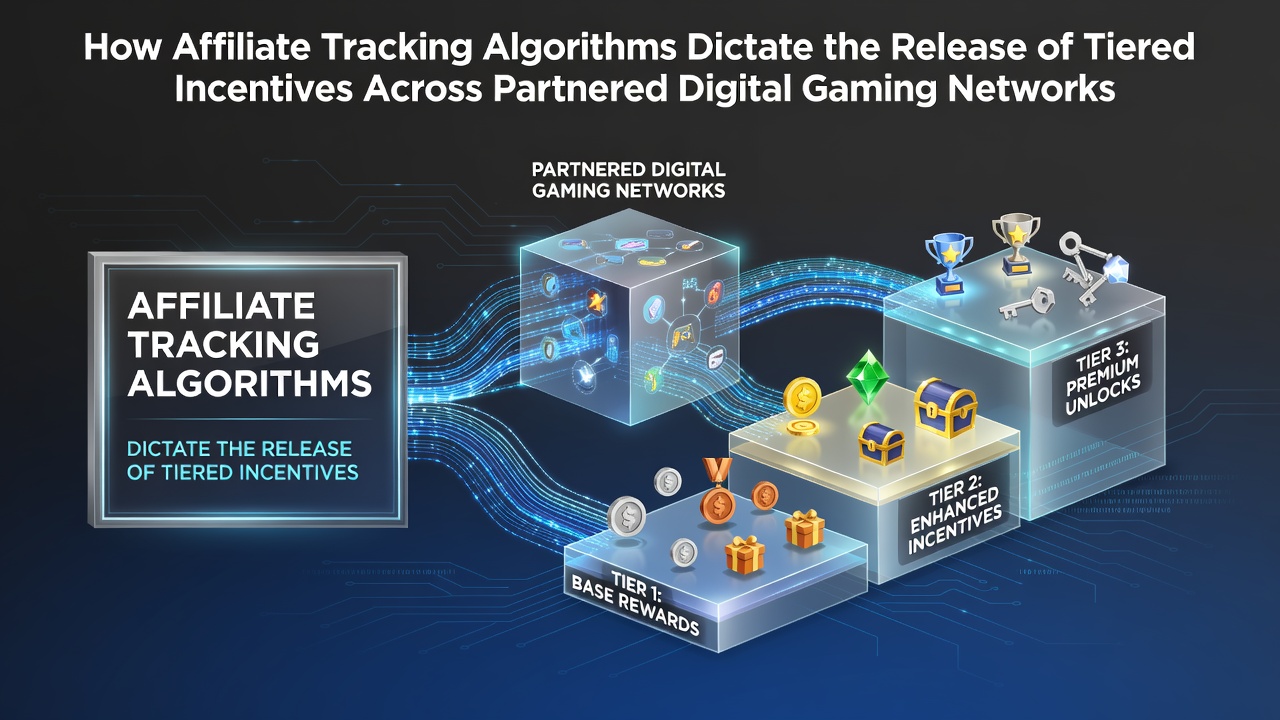
How Affiliate Tracking Algorithms Dictate the Release of Tiered Incentives Across Partnered Digital Gaming Networks
Digital gaming networks rely on affiliate tracking algorithms to monitor player activity across partnered platforms and determine when tiered incentives become available for release. These systems collect data on deposits, wager volumes, and session durations before processing that information through decision trees that unlock rewards at predefined thresholds. Operators in multiple jurisdictions integrate these tools to maintain consistent payout schedules while partners receive compensation based on performance metrics rather than fixed schedules.
Core Components of Tracking Infrastructure
Affiliate programs in online gaming environments use unique identifiers embedded in referral links to follow user journeys from initial click through to account registration and ongoing play. The algorithms evaluate real-time inputs against historical patterns stored in centralized databases, and when cumulative activity meets tier criteria the system triggers automated notifications to both the affiliate and the network operator. Data from the Ontario Lottery and Gaming Corporation indicates that similar tracking frameworks processed over 12 million referral events in the 2025 fiscal year, with tier releases occurring at average intervals of 14 days once minimum thresholds were satisfied.
Partnered networks often share these datasets through secure APIs that standardize reporting formats across different software providers. This interoperability allows a single affiliate to participate in multiple ecosystems without maintaining separate tracking dashboards, while the algorithms reconcile overlapping player activity to prevent duplicate incentive claims. Observers note that the reconciliation process typically completes within four hours of each transaction batch, reducing disputes that previously required manual review.
Algorithmic Logic Behind Tier Progression
Tiered incentive structures usually follow a progressive model where initial rewards unlock after modest activity levels and subsequent tiers require progressively higher volumes of play or deposits. The algorithms apply weighted scoring that factors in player retention rates, average bet sizes, and geographic compliance flags before authorizing release. In October 2026 several major networks adjusted their weighting coefficients to account for new responsible gaming limits introduced in select European markets, resulting in a measurable shift in the timing of silver and gold tier payouts.
Researchers at the University of Nevada, Las Vegas Center for Gaming Research have documented how machine learning models refine these thresholds over time by analyzing seasonal traffic fluctuations and promotional campaign performance. Their published findings show that dynamic adjustments reduced premature tier releases by 23 percent compared with static rule sets, while maintaining overall affiliate satisfaction scores above 85 percent in post-release surveys. The models continuously test new variables such as device type and time-of-day engagement to improve prediction accuracy without altering the core incentive structure visible to end users.

Network-Wide Effects and Compliance Mechanisms
Because incentives flow through interconnected platforms, an algorithm operating on one network can influence release timing on another when shared player data triggers cross-network reconciliation rules. This creates ripple effects where a high-volume player completing activity on a secondary site accelerates tier progression for the original referring affiliate. Compliance teams monitor these flows through audit trails that record every decision point, ensuring regulatory bodies receive transparent reports on how incentives were calculated and disbursed.
Industry groups such as the European Gaming and Betting Association have published guidelines that encourage standardized audit protocols for tracking algorithms. These recommendations emphasize version control for model updates and mandatory disclosure of weighting factors to regulators upon request. Networks that adopted the guidelines reported fewer compliance queries during routine inspections conducted in the first half of 2026.
Future Developments in Algorithmic Governance
Developers continue to explore blockchain-based ledgers as a supplementary layer for recording incentive release events, which would create immutable timestamps visible to all authorized partners. Early pilot programs in Asia-Pacific markets have demonstrated reduced reconciliation times from hours to minutes while preserving the existing tier logic. Regulatory agencies in those regions now require participating operators to submit algorithm change logs alongside traditional financial statements.
As data volumes grow, the emphasis remains on maintaining transparent decision paths that affiliates can verify through self-service portals. This approach supports continued expansion of partnered networks without introducing delays in tiered incentive distribution.
Conclusion
Affiliate tracking algorithms serve as the operational backbone that governs when and how tiered incentives are released across digital gaming networks. Through continuous data evaluation, cross-platform reconciliation, and iterative model refinement, these systems ensure releases align with documented activity thresholds while satisfying regulatory reporting requirements in multiple jurisdictions. Ongoing technical and governance developments indicate that the core mechanisms will evolve to accommodate increasing data complexity without disrupting established partner relationships.