Tracing Payment Processor Delays and Their Ripple Effects on Reward Activation Windows Worldwide
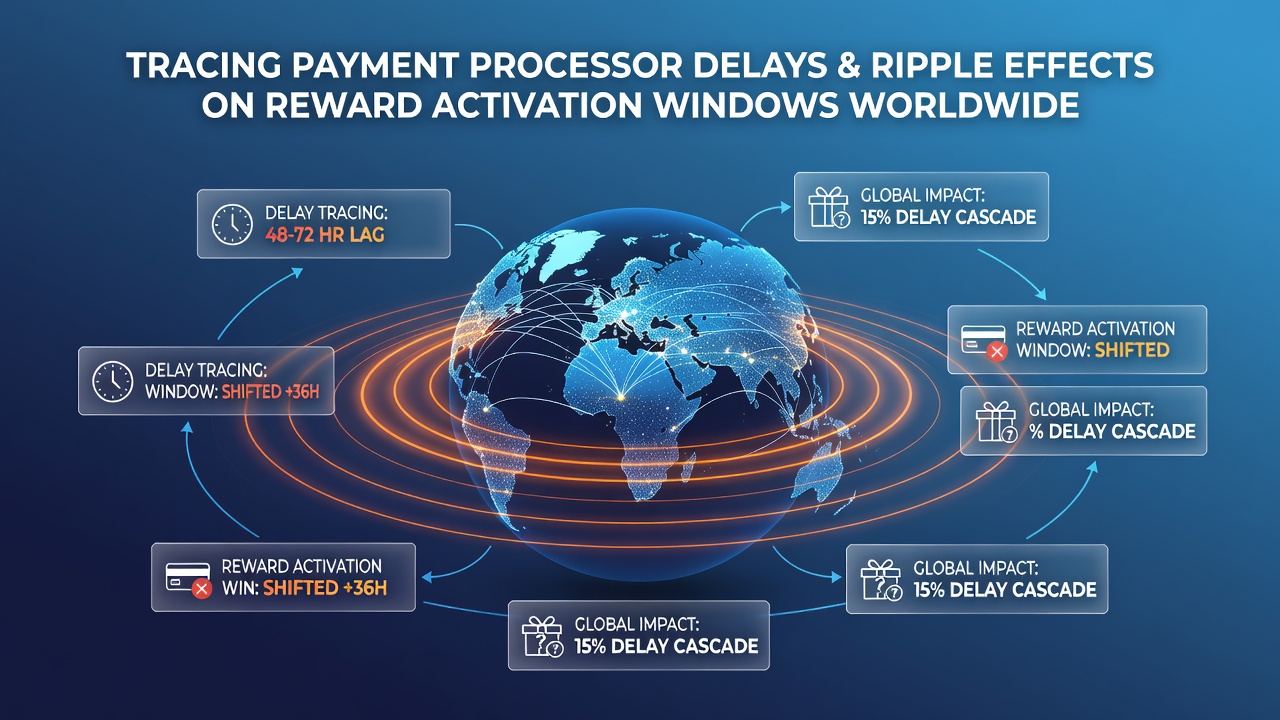
Data from multiple regions shows that payment processor delays have lengthened reward activation windows by several days in many digital platforms during 2026, and observers note these shifts affect user access to time-sensitive offers across online services.
Patterns in Processor Performance During 2026
Transaction records indicate that major processors experienced intermittent slowdowns throughout the year, with spikes appearing in late summer and continuing into October 2026; these interruptions stemmed from system upgrades, compliance checks, and cross-border verification steps that extended settlement times beyond standard 24- to 48-hour windows. Researchers tracking payment flows found that delays clustered around high-volume periods, while routine transactions moved through faster channels without similar holdups.
Regional Variations in Activation Timelines
European operators reported average reward activation stretches increasing from three days to five or six days when processors routed payments through additional security layers, whereas Australian platforms documented shorter extensions that still pushed some offers past their original deadlines. In North America and parts of Asia, data shows mixed outcomes where some processors maintained steady performance and others triggered cascading holds that affected entire reward batches. Those who monitor settlement statistics note that these differences arise from varying regulatory requirements and network loads rather than uniform global slowdowns.
Downstream Effects on Reward Systems
Extended processing times directly compress the usable period for rewards once funds clear, and platform operators adjust activation windows accordingly to account for the lag. Figures from industry reports reveal that users in affected regions sometimes miss promotional periods because the initial deposit sits in queue longer than anticipated, forcing systems to recalibrate start dates automatically. This adjustment process creates secondary ripples where later rewards inherit the same compressed windows, and analysts tracking user behavior see repeat patterns emerge across multiple cycles.
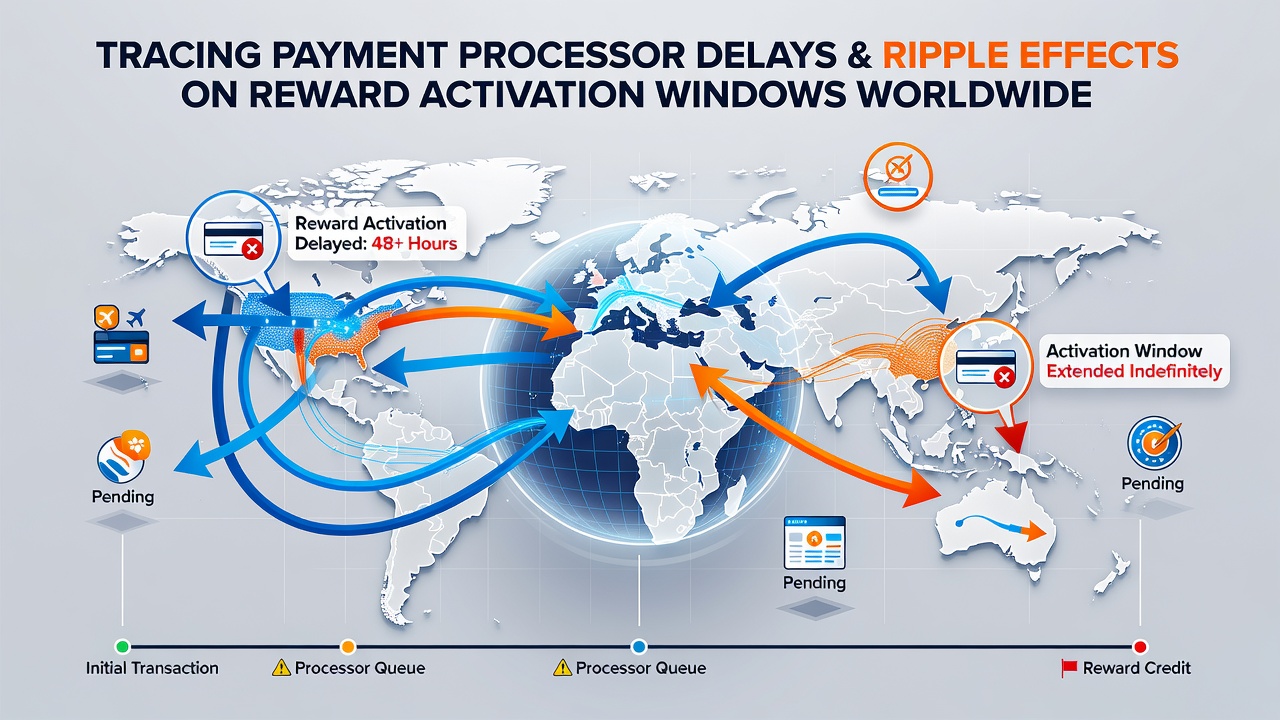
Payment networks in Asia-Pacific regions encountered specific bottlenecks tied to currency conversion steps during October 2026, and these added layers compounded delays already present from upstream verification. Observers following transaction logs found that platforms relying on fewer processors faced sharper impacts compared with those maintaining diversified connections, which spread risk across multiple pathways and reduced single-point failures.
Industry Responses and Adjustments
Operators began implementing buffer periods into reward schedules to absorb variability in processing speeds, while some introduced real-time status updates that alert users when delays occur. According to European Central Bank payment focus reports, settlement data collected across member states shows measurable increases in average clearance times that align with the observed activation shifts. Platforms also explored alternative rails such as instant payment systems where available, though adoption remains uneven because infrastructure coverage differs by country.
Canadian and Australian regulators released separate guidance in mid-2026 encouraging clearer disclosure of expected timelines, and Reserve Bank of Australia payments data indicates that transparency measures helped stabilize user expectations even when actual processing extended beyond initial estimates. These steps do not eliminate delays but allow reward systems to recalibrate activation windows with greater precision based on live network conditions.
Broader Market Implications
Longer activation windows influence how platforms design promotional calendars, and operators now factor processor reliability into offer structures to prevent widespread expirations. Evidence from transaction monitoring services points to higher volumes moving through faster domestic rails in certain markets, which partially offsets international delays yet leaves cross-border rewards more exposed. Those tracking global trends see continued pressure on processors to shorten settlement cycles, particularly as reward ecosystems expand into new regions with varying infrastructure maturity.
Conclusion
Payment processor delays continue to reshape reward activation windows on a worldwide scale, with data from October 2026 confirming ongoing variability across regions and payment types. Operators respond through adjusted timelines, diversified routing, and improved user notifications while regulators emphasize transparency. These adaptations address immediate effects yet leave the underlying connection between processing speed and reward availability intact for future monitoring.